
In an increasingly digital world, virtual community ceremonies are redefining how we connect, celebrate, and support one another across geographical boundaries. These online gatherings create meaningful spaces where people unite for shared experiences, regardless of physical location.

The transformation from traditional in-person gatherings to virtual ceremonies represents more than technological adaptation—it embodies a fundamental shift in how humanity forms bonds, maintains traditions, and creates collective memory. As we navigate this digital landscape, virtual community ceremonies emerge as powerful tools for fostering genuine connection in an age of physical distance.
🌍 The Rise of Virtual Community Ceremonies
Virtual community ceremonies have experienced exponential growth, particularly accelerated by global events that necessitated remote interaction. These digital gatherings range from spiritual services and cultural celebrations to memorial services, weddings, and community milestone events. The accessibility of video conferencing platforms, live streaming technologies, and interactive digital spaces has made it possible for communities to maintain continuity of tradition while embracing innovation.
What distinguishes these virtual ceremonies from simple video calls is their intentional design to create sacred or meaningful space online. They incorporate ritualistic elements, symbolic actions, and collective participation that transform ordinary digital interaction into extraordinary communal experiences. Participants report feeling genuinely connected despite physical separation, demonstrating that emotional and spiritual bonds transcend physical presence.
Breaking Down Geographical Barriers
One of the most profound impacts of virtual community ceremonies is their ability to unite people across continents instantly. A family in Australia can attend a wedding ceremony in Europe in real-time, elderly relatives unable to travel can witness grandchildren’s graduations, and diaspora communities can maintain cultural practices with homeland connections. This geographical democratization of participation creates unprecedented inclusivity.
The elimination of travel costs, visa requirements, and physical accessibility challenges means that participation is now limited primarily by internet access rather than proximity or mobility. Communities that were once fragmented by migration, relocation, or circumstance can now gather regularly, maintaining cultural continuity and interpersonal relationships that might otherwise fade with distance.
Inclusive Participation for All Abilities
Virtual ceremonies particularly benefit individuals with physical disabilities, chronic illnesses, or mobility challenges who might find attending in-person events difficult or impossible. The digital environment can be customized with closed captions for the hearing impaired, screen readers for the visually impaired, and comfortable home settings for those with anxiety disorders or sensory sensitivities.
This accessibility extends to economic barriers as well. Participating in virtual ceremonies requires no travel expenses, accommodation costs, or special attire purchases, making meaningful community participation available to broader socioeconomic groups. The democratizing effect cannot be overstated—ceremonies become truly community-wide rather than limited to those with resources to attend.
Designing Meaningful Virtual Ceremonial Spaces
Creating effective virtual ceremonies requires thoughtful design that honors the significance of the occasion while leveraging digital capabilities. Successful virtual ceremonies incorporate several key elements that distinguish them from ordinary online meetings and create genuine ceremonial atmosphere.
Ritualistic Elements in Digital Format
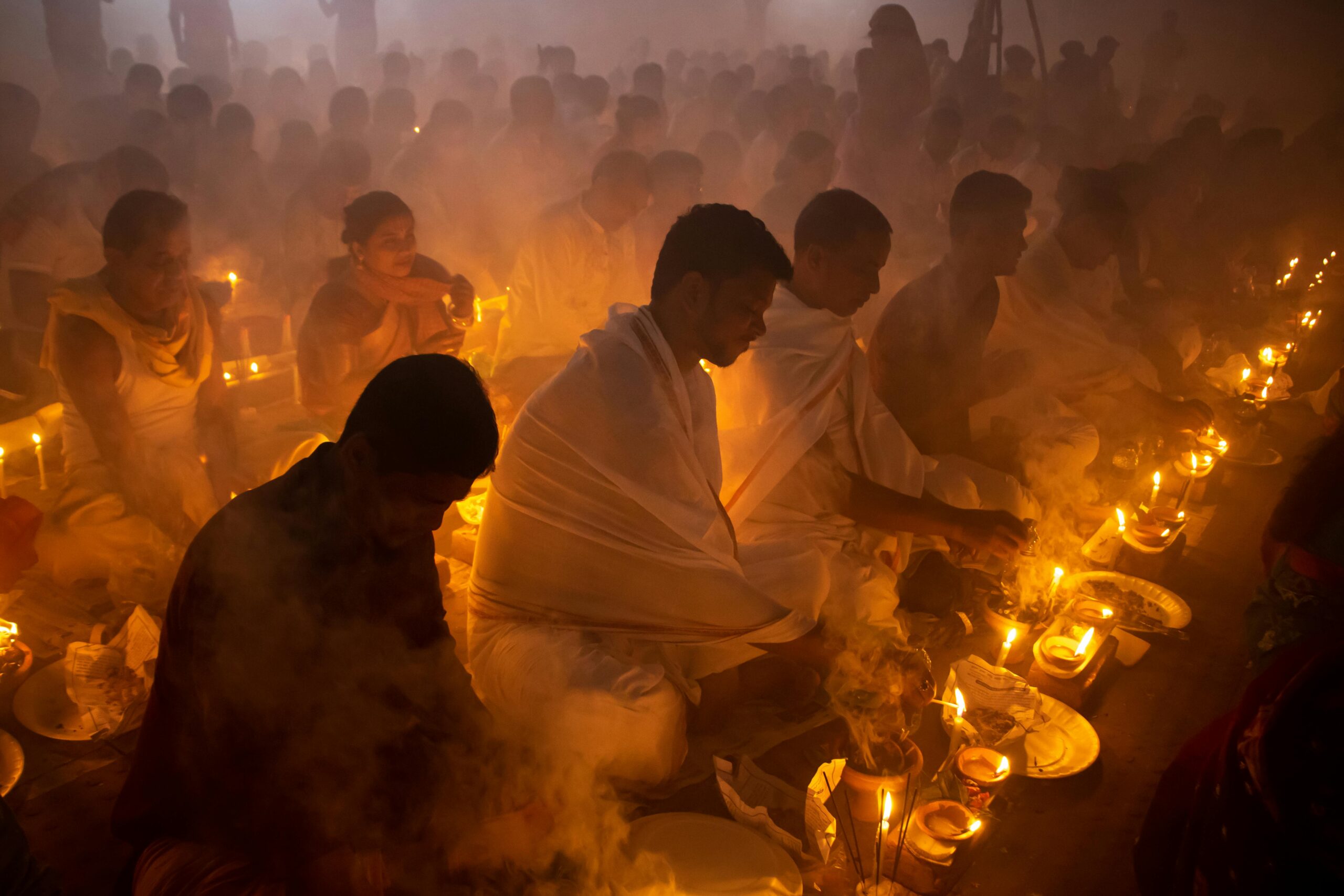
Traditional ceremonies rely on physical rituals—lighting candles, exchanging objects, processions through space. Virtual ceremonies translate these actions into digital equivalents or create new rituals appropriate to the medium. Participants might simultaneously light candles in their own locations, share symbolic images or videos, or engage in coordinated actions that create collective experience despite physical separation.
Visual design plays a crucial role, with attention to backgrounds, lighting, and symbolic imagery that creates appropriate atmosphere. Some communities use virtual backgrounds depicting meaningful locations, while others carefully curate their physical spaces to be visible on camera, creating personal altars or ceremonial settings that contribute to the collective visual experience.
Interactive Technologies Enhancing Participation
Modern virtual ceremonies leverage various technologies to enable active participation rather than passive viewing. Polling features allow collective decision-making, breakout rooms facilitate small group interactions, and chat functions enable real-time sharing of thoughts and well-wishes. These interactive elements transform attendees from audience members into active participants.
Some platforms enable virtual gift-giving, digital memory books, collaborative documents where participants contribute simultaneously, and augmented reality features that add layers of meaning to the digital space. The creativity applied to these technological tools continues to expand what’s possible in virtual ceremonial contexts.
💫 Cultural Traditions Meet Digital Innovation
Virtual community ceremonies present unique opportunities for cultural preservation while enabling evolution of traditions. Indigenous communities use video conferencing to include geographically dispersed members in ceremonies that maintain linguistic and cultural practices. Religious communities adapt sacred rituals to digital formats that honor traditional meanings while embracing contemporary communication methods.
The documentation inherent in virtual ceremonies also serves preservation purposes. Recorded ceremonies become archives for future generations, capturing not just the event but the community connections and cultural practices embedded within them. This documentation can be particularly valuable for minority cultures, endangered languages, and traditions at risk of being lost as elder knowledge-keepers pass away.
Adapting Sacred Practices for Digital Spaces
Religious and spiritual communities have pioneered many virtual ceremony innovations, grappling with theological questions about digital presence and sacred space. Can communion be meaningful over video? Does a virtual prayer circle hold the same spiritual power? These questions have led to thoughtful adaptations that respect traditional beliefs while acknowledging digital realities.
Many communities have concluded that intention and communal spirit matter more than physical proximity. Virtual ceremonies incorporate blessing rituals, collective prayers, meditation sessions, and spiritual teachings that participants report as genuinely transformative. The key lies in approaching the digital space with the same reverence as physical sacred spaces.
Building Community Cohesion Through Regular Virtual Gatherings
Beyond special occasion ceremonies, regular virtual community gatherings strengthen social bonds and create ongoing connection. Weekly check-ins, monthly celebrations, seasonal festivals, and spontaneous gatherings become easier to organize and attend when physical presence isn’t required. This increased frequency of interaction paradoxically creates stronger community ties than less frequent in-person-only gatherings.
Communities discover that virtual ceremonies complement rather than replace physical gatherings. The hybrid model—combining occasional in-person events with regular virtual connections—proves most effective for maintaining vibrant community life. Members who’ve relocated remain integrated, homebound individuals stay connected, and busy professionals can participate without extensive time commitments.
Creating Traditions Unique to Virtual Spaces
As communities become experienced with virtual ceremonies, they develop traditions unique to digital environments. Monthly “virtual potlucks” where participants cook together over video, digital talent shows, online game nights with ceremonial elements, and collaborative creative projects become valued community traditions in their own right.
These digital-native traditions often appeal particularly to younger community members who’ve grown up with technology, helping bridge generational divides. Elders share traditional wisdom through digital storytelling sessions, while youth contribute technical expertise to enhance ceremony quality, creating intergenerational collaboration and mutual respect.
🔗 Technology Platforms Enabling Connection
Various platforms serve virtual ceremony needs, each offering different features suited to particular ceremony types. Video conferencing platforms like Zoom provide reliable multi-participant video and interactive features. Live streaming platforms enable broadcasting to large audiences with limited interaction. Specialized virtual event platforms offer immersive environments with spatial audio and customizable virtual venues.
Choosing appropriate technology depends on ceremony scale, interaction needs, technical expertise, and community access to devices and internet bandwidth. The most effective approach often combines multiple platforms—streaming the main ceremony while using chat apps for side conversations and social media for extended community engagement before and after the event.
Ensuring Accessibility and Technical Support
Technical challenges remain the primary barrier to virtual ceremony participation. Communities address this through pre-ceremony tech checks, volunteer technical support teams, simplified joining instructions, and patience with technological difficulties. Recording ceremonies ensures those with connectivity issues can participate asynchronously, though this lacks the live collective experience.
Forward-thinking communities invest in digital literacy training for members, particularly elders and those with limited technology exposure. These educational efforts pay dividends beyond ceremonies, empowering community members with skills applicable to employment, healthcare access, and broader social connection.
Emotional Authenticity in Digital Spaces
Critics sometimes question whether virtual ceremonies can generate authentic emotional experiences comparable to in-person gatherings. Research and participant testimony increasingly affirm that genuine emotional connection occurs in well-designed virtual ceremonies. Tears flow at virtual memorials, joy erupts at virtual celebrations, and spiritual transformation happens in digital spaces when participants approach with openness and intention.
The key factor appears to be psychological presence—the feeling of “being there” despite physical absence. This presence emerges from focused attention, emotional investment, meaningful participation, and shared experience with others. When these elements align, the ceremony’s platform becomes secondary to the human connection it facilitates.
Vulnerability and Intimacy Online
Counterintuitively, some participants report greater comfort with vulnerability in virtual settings than physical ones. The ability to participate from personal spaces, control one’s visual presentation, and easily step away if overwhelmed creates psychological safety that enables deeper sharing. Small group breakout sessions in particular facilitate intimate conversations that might not occur in large in-person gatherings.
This digital intimacy has therapeutic implications. Virtual support groups, grief ceremonies, and healing circles reach people who might not access in-person services due to stigma, geography, or disability. The anonymity options some platforms provide further reduce participation barriers for sensitive topics.
🌟 Future Horizons for Virtual Ceremonies
Emerging technologies promise to further transform virtual community ceremonies. Virtual reality headsets create immersive three-dimensional environments where participants appear as avatars in shared space, potentially offering greater presence than flat video screens. Augmented reality could overlay digital elements onto physical spaces, creating hybrid experiences that blend material and virtual worlds.
Artificial intelligence might enable real-time translation, making multilingual ceremonies seamlessly accessible to all participants. Haptic technology could add touch dimensions to virtual ceremonies—feeling a virtual embrace, sensing collective energy, or experiencing coordinated physical sensations during meditative or celebratory moments.
Balancing Innovation with Tradition
As technology advances, communities must thoughtfully consider which innovations enhance ceremonial meaning and which distract from it. Not every technological possibility serves ceremonial purposes. The goal remains genuine human connection and meaningful collective experience—technology should facilitate these aims rather than overshadow them.
The most successful virtual ceremonies maintain focus on human elements: storytelling, witnessing, shared emotion, and collective meaning-making. Technology serves as medium and enabler but never as replacement for the human connections that give ceremonies their transformative power.
Measuring Impact and Community Wellbeing
Communities implementing regular virtual ceremonies report measurable benefits: reduced social isolation, maintained cultural identity, increased participation rates, stronger intergenerational bonds, and enhanced sense of belonging. These outcomes prove particularly significant for vulnerable populations—elderly members, those with mobility limitations, and geographically isolated individuals.
Mental health benefits appear substantial, with participants reporting decreased loneliness, increased purpose and meaning, and strengthened support networks. The regularity of virtual ceremonies creates consistent touchpoints that help community members feel seen, known, and valued—fundamental human needs that contribute to wellbeing.
Implementing Virtual Ceremonies in Your Community
Communities interested in developing virtual ceremonies can start small and scale gradually. Begin with simple monthly gatherings before attempting complex ceremonies. Solicit community input about desired ceremony types, preferred platforms, and accessibility needs. Form a technology support team and develop clear participation instructions.
Pilot ceremonies with forgiving audiences—friendly groups willing to troubleshoot together. Gather feedback and iterate, continuously improving technical execution and ceremonial elements. Document successful practices and share them with other communities, contributing to collective knowledge about effective virtual ceremony design.
Essential Elements for Success
- Clear purpose and intention for each ceremony that all participants understand
- Reliable technology with backup plans for common failures
- Designated facilitators trained in both technical operation and ceremonial leadership
- Interactive elements that engage participants rather than creating passive audiences
- Appropriate pacing that accommodates technology lags and attention spans
- Follow-up communication that extends connection beyond the ceremony itself
- Continuous improvement based on participant feedback and lessons learned
The Enduring Value of Connection
Virtual community ceremonies ultimately succeed because they address fundamental human needs for belonging, meaning, and connection. While the digital medium initially seems cold or impersonal, thoughtfully designed virtual ceremonies prove surprisingly warm and deeply meaningful. They enable communities to maintain bonds across distances that once severed relationships, include members who once faced exclusion, and create new traditions alongside preserved ones.
The transformation of connections through virtual ceremonies represents neither abandonment of tradition nor uncritical embrace of technology. Instead, it demonstrates human creativity and resilience—our capacity to maintain what matters most while adapting to changing circumstances. As communities continue innovating with virtual ceremonies, they chart paths others can follow, collectively discovering how to unite beyond borders in an increasingly interconnected yet often isolated world.
The future of community may well be hybrid—cherishing in-person gatherings while embracing virtual connections that transcend physical limitations. Virtual ceremonies don’t replace face-to-face interaction but complement and extend it, ensuring that distance never again means disconnection for communities committed to staying together. In this digital age, we’re learning that true community exists not in physical proximity but in intentional connection—wherever and however it occurs. ✨