The intersection of quantum physics and consciousness studies represents one of the most fascinating frontiers in modern science, challenging our understanding of reality itself.

For decades, scientists have puzzled over the “hard problem” of consciousness—how subjective experiences arise from physical matter. Recent developments in quantum consciousness mapping are opening unprecedented pathways to understanding the fundamental nature of human awareness. This emerging field combines quantum mechanics, neuroscience, and computational mapping techniques to explore whether consciousness operates according to quantum principles. As we stand on the precipice of potentially revolutionary discoveries, the implications stretch far beyond academic curiosity, touching everything from artificial intelligence to mental health treatment and our very understanding of what it means to be human.
🧠 The Quantum Foundation of Consciousness
Quantum consciousness theory proposes that quantum mechanical phenomena play an essential role in the function of consciousness. Unlike classical physics, which describes the macroscopic world we experience daily, quantum mechanics governs the behavior of subatomic particles with principles that seem almost magical—superposition, entanglement, and non-locality.
The brain contains approximately 86 billion neurons, each forming thousands of synaptic connections. Traditional neuroscience views consciousness as emerging from electrochemical signals passing between neurons. However, quantum consciousness researchers suggest that within the brain’s neural architecture, quantum processes might be occurring at the microtubule level—tiny cylindrical structures inside neurons.
Sir Roger Penrose and anesthesiologist Stuart Hameroff pioneered the Orchestrated Objective Reduction (Orch-OR) theory, proposing that quantum computations in microtubules generate consciousness. According to this framework, microtubules act as quantum computers, processing information in superposition states until objective reduction occurs, giving rise to conscious moments.
Mapping the Unmappable: Technologies Behind Quantum Consciousness Research
Quantum consciousness mapping requires instruments capable of detecting quantum effects in the warm, wet environment of biological tissue—a tremendous technical challenge. Classical measurement tools destroy quantum states through observation, making direct detection extraordinarily difficult.
Advanced Neuroimaging Techniques
Researchers employ cutting-edge technologies to investigate quantum processes in neural tissue. Magnetoencephalography (MEG) measures magnetic fields produced by electrical currents in the brain with picotesla sensitivity, potentially detecting quantum coherence signatures. Functional magnetic resonance imaging (fMRI) tracks blood flow changes, providing indirect evidence of neural activity that might correlate with quantum processes.
More promising are quantum sensors based on nitrogen-vacancy centers in diamonds, which can detect magnetic fields at the nanoscale without disturbing quantum states. These sensors represent breakthrough technology for observing potential quantum effects in living neurons without collapsing their quantum properties.
Computational Modeling and Simulation
Since direct observation presents challenges, computational models simulate quantum processes in neural structures. Quantum algorithms running on quantum computers model how quantum coherence might survive in biological environments despite decoherence—the process by which quantum states collapse into classical states.
These simulations test whether quantum effects could persist long enough in brain tissue to influence neural processing. Recent studies suggest that certain biological structures might protect quantum states through quantum error correction mechanisms similar to those being developed for quantum computers.
The Science of Quantum Coherence in Biological Systems
One major skepticism surrounding quantum consciousness theories concerns decoherence. Critics argue that the brain’s warm, noisy environment would immediately destroy any quantum effects, making them biologically irrelevant. However, mounting evidence suggests nature has evolved mechanisms to harness quantum phenomena.
Photosynthesis provides compelling evidence. Plants convert light to chemical energy with nearly 100% efficiency through quantum coherence—light-harvesting proteins maintain quantum superposition states that allow energy to “try” multiple pathways simultaneously, selecting the most efficient route. This quantum effect persists at room temperature within biological molecules.
Similarly, birds navigate using quantum entanglement in proteins called cryptochromes within their retinas. These molecules create entangled radical pairs sensitive to Earth’s magnetic field, providing directional information through a quantum compass mechanism.
These examples demonstrate that biological systems can maintain quantum coherence despite environmental noise, lending credibility to theories proposing quantum processes in neural tissue.
⚛️ Microtubules: The Quantum Processing Units of Neurons?
Microtubules constitute the structural scaffolding within cells, but Penrose and Hameroff propose they serve additional functions as quantum information processors. These hollow cylinders consist of tubulin proteins arranged in geometric lattices—structures potentially suitable for quantum computation.
Each tubulin protein can exist in multiple conformational states, analogous to quantum bits (qubits) in quantum computers. The geometric arrangement allows tubulin states to become quantum entangled, creating a substrate for quantum information processing spanning entire neurons or even networks of neurons.
Research indicates that anesthetics—chemicals that eliminate consciousness—bind to hydrophobic pockets within microtubules, potentially disrupting quantum processes. This correlation between anesthetic action sites and proposed quantum consciousness mechanisms provides indirect support for the theory.
Experimental Evidence and Ongoing Research
Laboratory studies have detected quantum vibrations in microtubules at biological temperatures using spectroscopy techniques. Scientists observed resonance patterns consistent with quantum coherent energy states, suggesting microtubules might indeed support quantum processes.
However, definitive proof remains elusive. The field requires experiments directly linking observed quantum effects in neural tissue to specific features of consciousness—an extraordinarily complex undertaking given our limited understanding of consciousness itself.
Quantum Entanglement and the Unity of Conscious Experience
One puzzle of consciousness is the “binding problem”—how the brain combines information from different sensory modalities and brain regions into unified conscious experience. You simultaneously experience the sight, sound, smell, and feel of a moment as one coherent whole, despite these signals being processed in distinct brain areas.
Quantum entanglement offers a potential mechanism. When particles become entangled, measuring one instantly affects the other regardless of distance—Einstein’s “spooky action at a distance.” If neural processes involve entangled quantum states, information across brain regions could be instantaneously correlated, providing the coherence underlying unified consciousness.
This quantum binding mechanism would explain the integrated nature of conscious experience more elegantly than classical neural theories, which struggle to account for how distributed processing creates unified awareness.
🔬 Consciousness as Quantum Information
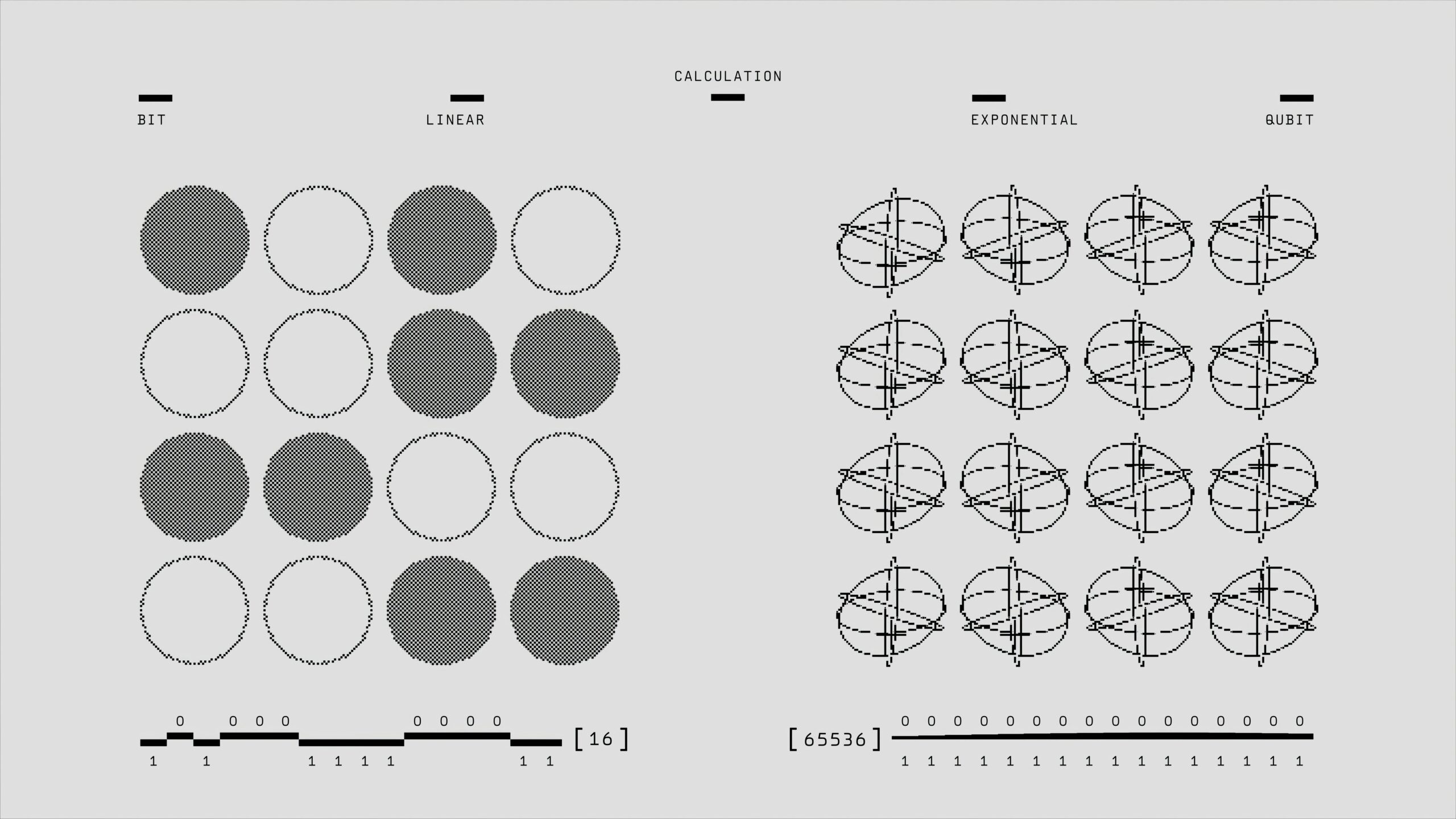
Information theory provides another lens for understanding quantum consciousness. Classical information exists in definite states—bits are either 0 or 1. Quantum information exists in superposition, simultaneously representing multiple states until measured.
If consciousness involves quantum information processing, the mind might literally exist in superposition states, processing multiple possibilities simultaneously before “collapsing” into specific thoughts or decisions. This framework aligns with introspective experiences—the sense that multiple thoughts or solutions coexist before one crystallizes into conscious awareness.
Quantum information theory also introduces the concept of quantum coherence time—how long quantum states persist before decoherence. Consciousness might emerge when quantum coherence times in neural tissue extend sufficiently to allow integrated information processing across brain networks.
Integrated Information Theory Meets Quantum Mechanics
Giulio Tononi’s Integrated Information Theory (IIT) proposes that consciousness corresponds to integrated information—the extent to which a system’s current state constrains its past and future states. IIT provides mathematical frameworks for quantifying consciousness (phi, Φ), offering testable predictions.
Researchers are exploring whether quantum mechanics enhances integrated information in neural systems. Quantum superposition and entanglement might dramatically increase the integrated information a neural network can generate, potentially explaining why biological brains produce rich conscious experiences while classical computers, despite vast processing power, seemingly don’t.
Practical Applications: From Theory to Technology
Beyond theoretical fascination, quantum consciousness mapping promises practical applications across multiple domains.
Mental Health and Neurology
Understanding consciousness at quantum levels could revolutionize treatment for conditions involving altered consciousness—depression, schizophrenia, autism spectrum disorders, and dementia. If these conditions involve disrupted quantum coherence in neural tissue, targeted interventions might restore normal quantum processes.
Anesthesia research already benefits from quantum consciousness insights. Precisely understanding how anesthetics disrupt consciousness at quantum levels enables development of safer, more effective agents with fewer side effects.
Artificial Intelligence and Machine Consciousness
The quest for artificial general intelligence (AGI) might require incorporating quantum processes. If consciousness fundamentally depends on quantum mechanics, classical computers—regardless of complexity—may never achieve genuine consciousness or human-level intelligence.
Quantum computers, which operate on quantum mechanical principles, might provide the necessary substrate. Research into quantum artificial intelligence explores whether quantum algorithms could replicate the quantum processes underlying biological consciousness, potentially creating genuinely conscious machines.
Human Enhancement and Brain-Computer Interfaces
Quantum consciousness mapping could advance brain-computer interfaces (BCIs) by identifying optimal connection points and protocols. Understanding the quantum basis of consciousness might enable more seamless integration between biological brains and technological systems, creating enhanced cognitive capabilities.
Future BCIs might operate at quantum levels, directly interfacing with the quantum processes underlying consciousness rather than merely detecting classical electrical signals.
🌌 Philosophical Implications: Rethinking Reality
Quantum consciousness theories carry profound philosophical implications that extend beyond science into metaphysics and spirituality.
The Observer Effect and Participatory Universe
Quantum mechanics reveals that observation affects reality—particles exist in superposition until measured. If consciousness involves quantum processes, and quantum processes require observation to collapse into definite states, consciousness might play a fundamental role in creating reality.
Physicist John Wheeler proposed the “participatory anthropic principle”—the universe requires observers to exist. Quantum consciousness theories provide mechanisms for this participation, suggesting minds don’t just passively observe reality but actively participate in its creation.
Non-Locality and Interconnected Consciousness
Quantum entanglement’s non-local nature raises fascinating possibilities about consciousness. If aspects of consciousness operate through quantum entanglement, connections between minds might transcend spatial separation. This provides potential scientific frameworks for phenomena like telepathy or collective consciousness, traditionally dismissed as pseudoscience.
While extraordinary claims require extraordinary evidence, quantum consciousness research at least provides theoretical mechanisms that make such phenomena less impossible than classical physics suggests.
Challenges and Criticisms in the Field
Despite excitement, quantum consciousness mapping faces substantial criticism and challenges from both physicists and neuroscientists.
Many physicists argue that quantum effects cannot survive in the brain’s warm, wet environment long enough to influence neural processing. While examples like photosynthesis demonstrate biological quantum effects, critics note these occur in specialized molecular structures—very different from complex neural tissue.
Neuroscientists point out that classical neural mechanisms sufficiently explain most brain functions. They argue quantum consciousness theories are unnecessary complexity—violating Occam’s razor—until classical explanations are exhausted.
Additionally, some view quantum consciousness theories as “quantum mysticism”—inappropriately applying quantum physics to consciousness without rigorous evidence. The field must carefully distinguish legitimate scientific inquiry from pseudoscientific speculation.
The Reproducibility Challenge
Experimental results in quantum consciousness research often prove difficult to reproduce. The extreme sensitivity of quantum states to environmental conditions means that slight variations in experimental setup can produce different results, hindering scientific consensus.
Establishing standardized protocols and developing more robust quantum sensing technologies are essential for the field’s credibility and advancement.
🚀 The Future of Quantum Consciousness Research
As technologies advance, quantum consciousness mapping will become increasingly sophisticated. Next-generation quantum sensors, more powerful quantum computers for simulation, and refined experimental techniques will provide clearer answers to fundamental questions.
Interdisciplinary collaboration remains crucial. Physicists, neuroscientists, philosophers, and computer scientists must work together, combining expertise to tackle consciousness—arguably science’s greatest remaining mystery.
International research initiatives are emerging, dedicating substantial funding to consciousness studies. The European Union’s Human Brain Project and similar efforts worldwide include quantum consciousness components, legitimizing and accelerating research.
Within decades, we may definitively answer whether consciousness involves quantum processes. This knowledge will fundamentally reshape our understanding of mind, brain, and reality itself—unlocking the quantum blueprint that may underlie human experience.
Bridging Science and Human Experience
Ultimately, quantum consciousness mapping seeks to bridge the explanatory gap between objective physical processes and subjective experience—the mysterious “what it’s like” quality of consciousness. Whether quantum mechanics provides this bridge remains uncertain, but the journey itself expands scientific horizons and deepens appreciation for consciousness’s profound nature.
As we continue mapping consciousness at quantum scales, we’re not just conducting scientific research—we’re exploring the fundamental nature of existence, awareness, and what makes us conscious beings. The quantum blueprint of mind, if it exists, may be the final frontier in understanding ourselves and our place in the universe. This exploration represents humanity’s most ambitious intellectual project: turning the mind’s eye upon itself to comprehend the very essence of subjective experience through the lens of quantum reality. 🌟